Why Gold Is Important in Indian Weddings and Culture
In few countries is gold as deeply woven into everyday life as it is in India. From weddings and religious festivals to family savings and inheritance, gold represents prosperity, good fortune, and financial security. For millions of Indian families, gold is far more than a precious metal—it is a cultural institution.
A Tradition Thousands of Years Old
India's relationship with gold stretches back thousands of years. Ancient kingdoms traded gold across Asia and the Middle East, while royal courts used gold to demonstrate power, wealth, and prestige.
Over time, gold became embedded in religious practices, family traditions, and important life events. This historical connection helps explain why India remains one of the world's largest consumers of gold today.
Gold and Indian Weddings
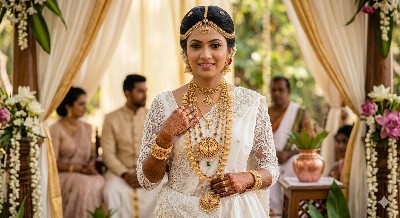
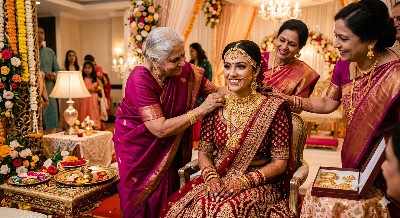
Weddings are perhaps the strongest expression of India's love for gold. In many communities, gold jewelry forms an essential part of a bride's wedding attire.
Necklaces, bangles, earrings, rings, anklets, and decorative hair ornaments are often gifted by parents and relatives. These gifts symbolize love, blessings, prosperity, and financial security for the newly married couple.
In some families, wedding gold is accumulated over many years specifically for the marriage ceremony, making it both a cultural and financial investment.
Gold as a Form of Family Wealth
Unlike many luxury goods, gold is widely viewed in India as a practical store of value. Jewelry serves not only decorative purposes but also functions as a form of savings that can be passed between generations.
Families often purchase gold during periods of prosperity and retain it for decades. Gold jewelry, coins, and bars may be inherited from parents and grandparents, creating a tangible connection between generations.
The Role of Gold in Religious Festivals
Several important festivals are closely associated with buying gold.
- Akshaya Tritiya — considered one of the most auspicious days to purchase gold.
- Dhanteras — celebrated before Diwali, when buying gold is believed to bring prosperity.
- Diwali — many families acquire gold as a symbol of wealth and good fortune.
During these festivals, jewelry stores often experience some of their busiest sales periods of the year.
Why Indian Gold Jewelry Is Often 22K
While many Western countries commonly use 14K or 18K gold, Indian consumers traditionally prefer higher-purity jewelry.
22K gold (91.6% purity) is especially popular because it combines a rich yellow color with high gold content.
If you're unfamiliar with gold purity standards, see our guide: Understanding Gold Hallmarks: 24K, 22K, 18K, 14K .
Interesting Facts About Gold in India
- India is one of the world's largest consumers of gold.
- Many Indian households own more gold than some national central banks.
- Gold purchases often increase during wedding seasons and major festivals.
- Bridal jewelry may include dozens of individual gold pieces.
- Gold is commonly gifted at weddings, births, and religious celebrations.
Modern Trends
Younger generations increasingly purchase gold coins, bars, ETFs, and digital gold, but jewelry remains the most visible expression of India's gold culture.
Modern designs may change, yet the underlying symbolism remains remarkably consistent: gold continues to represent prosperity, success, family, and tradition.
Track Gold Prices in India
Gold plays an important role in Indian weddings, festivals, and family savings. If you're interested in current market rates, you can follow live gold prices in Indian Rupees, including 24K, 22K, and 18K gold prices per gram, tola, and ounce.
View today's live gold price in India (INR)
Conclusion
India's enduring connection with gold is rooted in centuries of tradition, religion, and family values. Whether worn by a bride, gifted during a festival, or passed from one generation to the next, gold remains one of the most powerful cultural symbols in Indian society.
Did you know? Much of the gold purchased in India is intended not for investment portfolios, but for weddings, celebrations, and family heritage.
Published on | Last updated: