Golden Heritage of the Philippines: Culture, History and Meaning of Gold
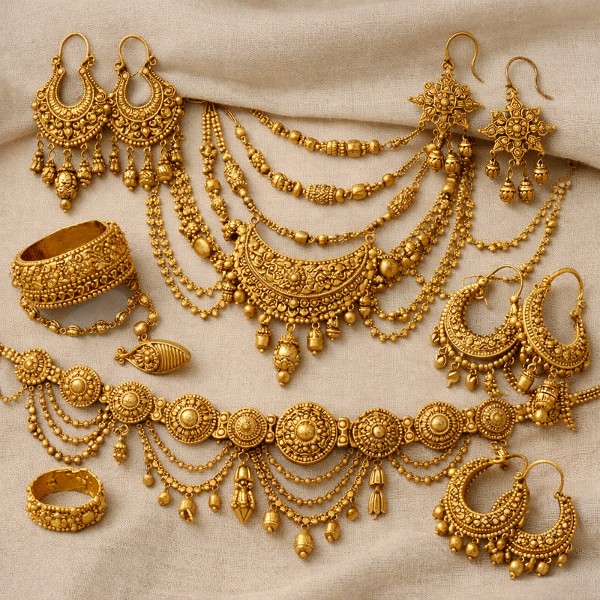
Long before European colonization, the Philippines was already known across Asia as a land rich in gold. For centuries, gold shaped social hierarchy, spiritual beliefs, trade networks, and artistic expression. Even today, gold continues to play a symbolic and economic role in Filipino culture.
1. The Philippines as the “Islands of Gold”
Early Chinese and Southeast Asian traders described parts of the Philippine archipelago as lands abundant in gold. River panning, shallow mining, and natural gold deposits allowed local communities to work gold without large-scale industrial tools.
Unlike some civilizations where gold was tightly controlled by rulers, gold in pre-colonial Philippines circulated more freely — worn as jewelry, exchanged in trade, and offered in rituals.
2. Gold as Social Status and Identity
Gold jewelry was a powerful marker of social rank. Chiefs (datus) and elites wore elaborate gold ornaments to signal authority, lineage, and wealth. Common forms included necklaces, armlets, earrings, belts, and headpieces.
One of the most striking practices was gold dental ornamentation. Thin gold plates or pegs were embedded into teeth — a visible sign of prestige and beauty rather than utility.
3. Gold as Money: Piloncitos and Early Trade
Small cone-shaped gold pieces known as piloncitos were used as early currency. These objects circulated by weight and purity, functioning as proto-coins in regional trade.
Their use shows that gold in the Philippines was not only decorative but also deeply embedded in economic life.
4. Spiritual and Ritual Meaning
Gold was associated with the divine and the afterlife. Archaeological burial sites reveal gold placed alongside the dead, reflecting beliefs in protection, continuity, and honor beyond death.
The famous Agusan gold image (9th–10th century) — a solid gold figure believed to represent a deity — highlights the sacred dimension of gold in early Philippine belief systems.
5. Regional Gold Traditions
Goldworking traditions varied across the archipelago, influenced by local resources and trade routes:
| Region | Gold Tradition | Notable Features |
|---|---|---|
| Luzon | Dental gold, ritual ornaments | Gold-adorned teeth, burial artifacts |
| Visayas | Piloncitos currency | Gold used in trade and exchange |
| Mindanao | Filigree and ceremonial pieces | Influence of Islamic and Asian trade |
| Cordillera | River-panned gold | Small-scale mining and ornament making |
6. Spanish Colonial Influence and Filigree Art
Spanish colonization transformed gold use but did not erase indigenous craftsmanship. Gold filigree — intricate wirework — became a defining style, blending local techniques with European religious motifs.
Gold jewelry during this period often combined pearls, coral, and gemstones, reflecting the Philippines’ role in global maritime trade.
7. Modern Philippines: Gold as Heritage and Investment
Today, gold remains culturally significant. Family heirlooms are passed down generations, symbolizing continuity and pride. At the same time, gold is viewed as a practical store of value, especially during economic uncertainty.
The Philippines is also one of Southeast Asia’s notable gold producers, with both large-scale mining and artisanal mining supporting local economies.
Frequently Asked Questions
Did Filipinos use gold before Spanish colonization?
Yes. Archaeological evidence shows extensive gold use centuries before Spanish arrival, including jewelry, currency, and ritual objects.
What were piloncitos?
Piloncitos were small gold pieces used as early currency, valued by weight and purity rather than face value.
Why was gold used in teeth?
Gold dental ornaments symbolized wealth, beauty, and high social standing rather than medical need.
Is gold still culturally important in the Philippines today?
Yes. Gold remains a symbol of heritage, celebration, and financial security, often worn during weddings and major life events.
In essence: In the Philippines, gold has never been just a metal — it is a language of power, spirituality, trade, and identity that continues to resonate today.
Published on | Last updated: